

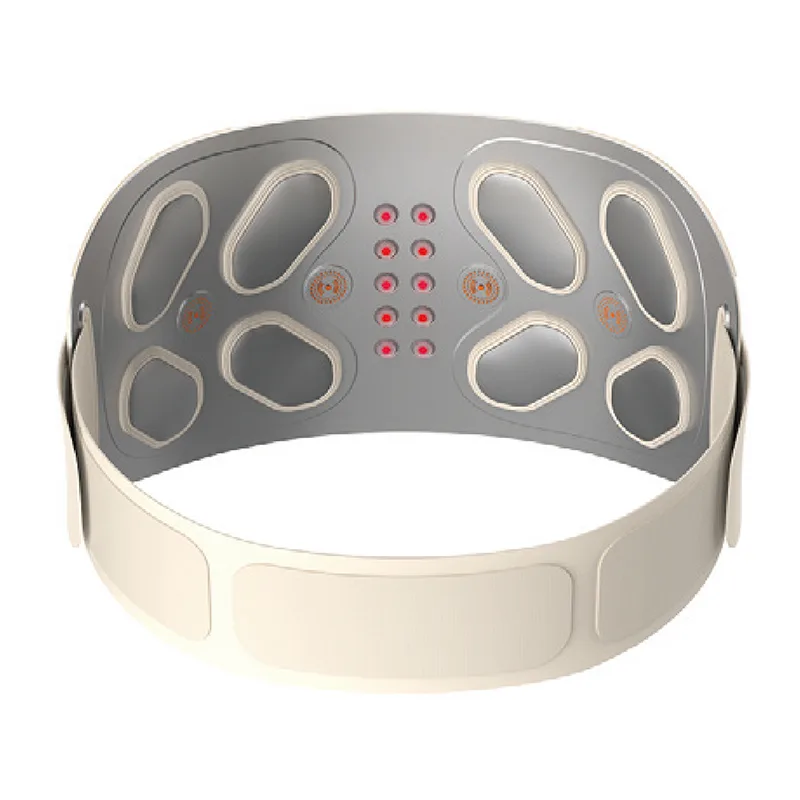
What Is a Wearable Period Pain Relief Device?
A wearable period pain relief device is a portable wellness product designed to help relieve menstrual cramps and lower abdominal discomfort through heat therapy and optional electrical stimulation technologies. Unlike traditional hot water bottles or disposable heating patches, these devices are rechargeable, hands-free, and designed for daily mobility.
Most wearable menstrual pain relief products are built in a lightweight belt-style structure that fits comfortably around the lower abdomen. Users can wear them while working, studying, commuting, or relaxing at home, making them more practical for modern lifestyles.
In recent years, wearable heating belts have become one of the fastest-growing product categories in the FemTech and personal wellness market. Many consumers prefer them because they offer a drug-free alternative for managing monthly discomfort without interrupting daily activities.
Compared with traditional heating solutions, modern wearable menstrual care devices typically provide:
- Adjustable constant-temperature heating
- Portable cordless operation
- Lightweight ergonomic design
- Rechargeable battery systems
- Optional EMS or TENS stimulation
- Vibration massage or red light therapy functions
Most products in this category are positioned as consumer wellness devices rather than medical devices. Their purpose is to support daily comfort and relaxation instead of diagnosing or treating medical conditions, which simplifies global retail compliance for many brands and distributors.
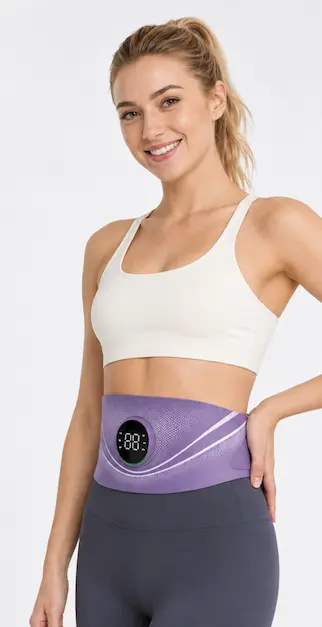
How Do Wearable Menstrual Pain Relief Devices Work?
Different wearable cramp relief devices combine multiple physical therapy technologies to improve comfort during menstruation. The most common functions include heat therapy, EMS stimulation, TENS technology, vibration massage, and red light therapy.
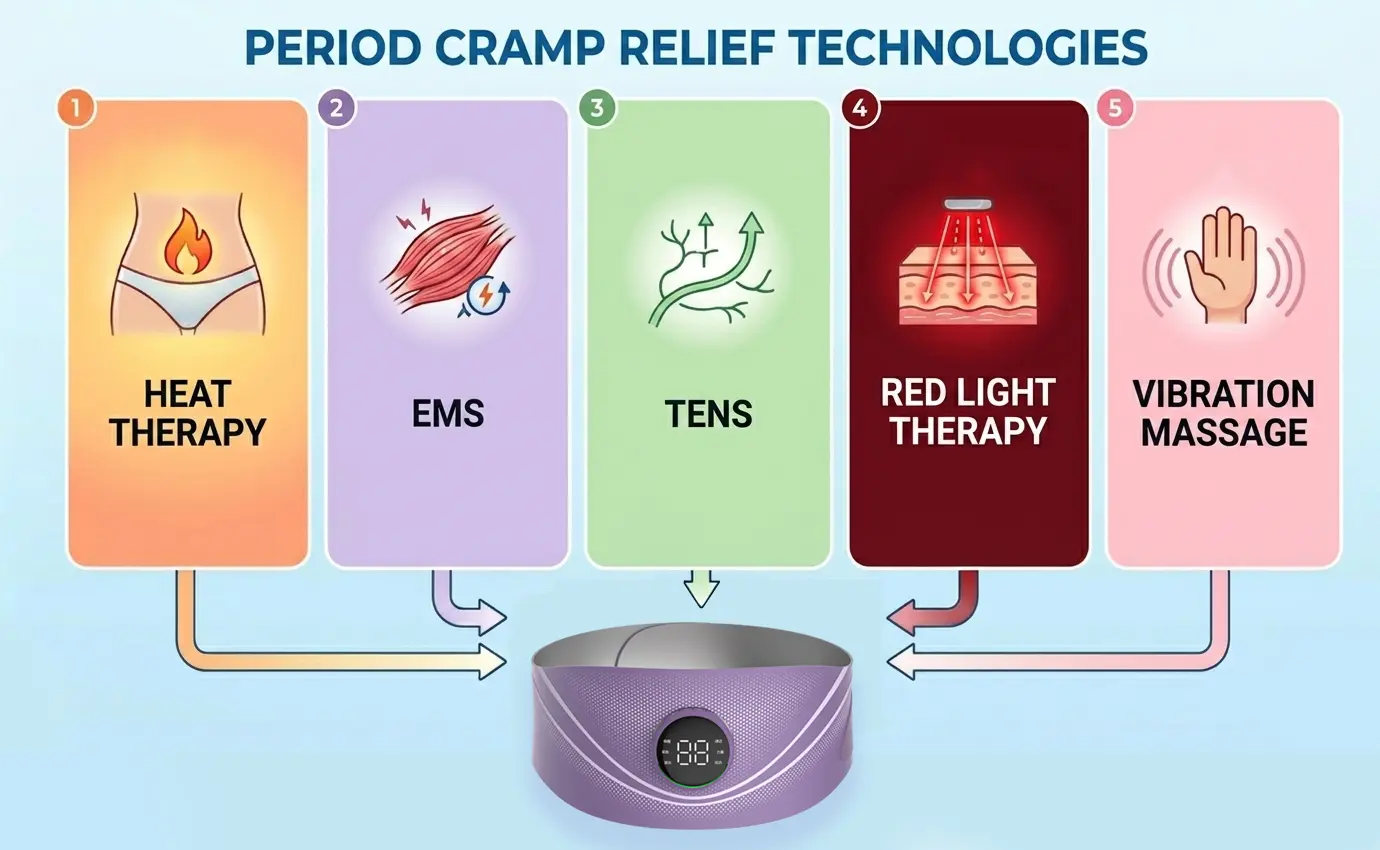
Heat Therapy
Heat therapy is the core function of nearly all menstrual heating belts. Gentle warmth applied to the lower abdomen helps relax muscle tension and improve local circulation, which may reduce cramping discomfort and bloating.
Most high-quality products use carbon fiber or alloy heating elements combined with intelligent temperature control systems to maintain stable heat output and avoid overheating.
Common heat settings usually range from low to high intensity, allowing users to adjust the temperature based on personal preference and environmental conditions.
EMS Electrical Muscle Stimulation
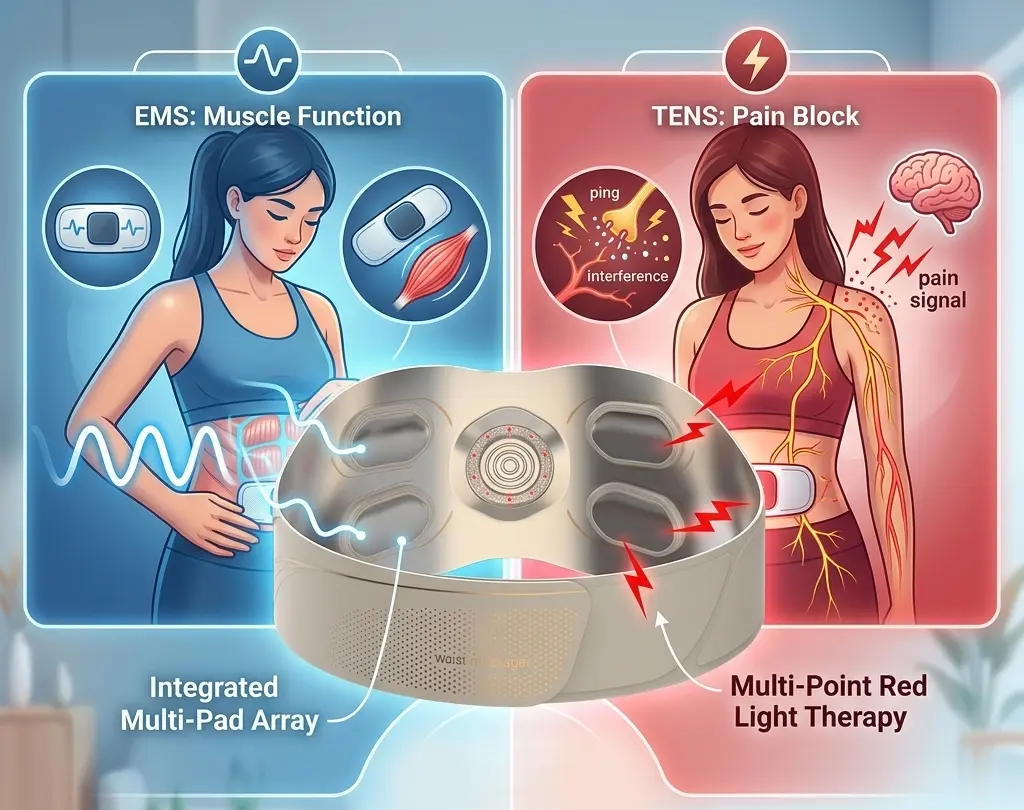
EMS (Electrical Muscle Stimulation) uses low-frequency electrical pulses to create mild muscle contractions. In wearable menstrual devices, EMS is mainly used to help relax abdominal muscles and improve the overall comfort experience.
Many consumers describe EMS as a rhythmic pulsing sensation that can help reduce feelings of tightness during menstrual cramps.
EMS modules are commonly found in mid-range and premium wearable wellness products.
TENS Pain Relief Technology
TENS (Transcutaneous Electrical Nerve Stimulation) works differently from EMS. Instead of stimulating muscles, TENS targets nerve pathways to reduce the body’s perception of pain signals.
Many users prefer TENS-enabled menstrual pain relief devices because the stimulation feels more focused and provides more noticeable relief during stronger cramping periods.
TENS technology is widely used in consumer wellness and rehabilitation products and has become an important upgrade feature for premium wearable cramp relief devices.
Red Light Therapy
Some high-end wearable period pain relief devices include red light therapy modules. Red wavelength LED light is often used in wellness products to support relaxation and improve the overall user experience.
Although red light therapy is usually positioned as a secondary feature, it helps products stand out in competitive social-commerce markets and premium retail channels.
Vibration Massage
Silent vibration motors provide rhythmic massage to improve abdominal comfort when combined with heating functions. Vibration modules are popular because they offer a relaxing experience while keeping manufacturing costs relatively stable.
EMS vs TENS: What’s the Difference?
Many buyers and consumers confuse EMS and TENS technologies because both use electrical stimulation. However, their functions are different.
| Technology | Main Purpose | User Sensation | Typical Product Position |
|---|---|---|---|
| EMS | Muscle relaxation | Rhythmic pulsing or contraction | Mid-range wellness products |
| TENS | Pain signal interference | Tingling or nerve stimulation | Premium pain relief products |
| Heat Therapy | Warm abdominal comfort | Gentle heat | Entry-level to premium models |
| Trilling | Relaxation massage | Soft vibration | Mass-market products |
| Rood licht | Wellness enhancement | Mild warming light sensation | High-end differentiated models |
Many premium wearable menstrual care devices combine Heat + EMS + TENS to create a more complete comfort experience.
Are Wearable Period Pain Relief Devices Safe?
Most consumer-grade menstrual heating belts are designed with multiple safety protections for daily use. Reliable manufacturers usually integrate:
- Intelligent temperature control systems
- Auto shut-off protection
- Low-voltage electrical stimulation
- Overheating prevention
- Skin-friendly materials
- Rechargeable lithium battery protection
For global retail markets, products commonly undergo electrical safety and compliance testing before mass production.
However, users should still follow standard usage instructions and avoid excessive heating duration or extremely high stimulation levels.
Wearable menstrual pain relief devices are generally categorized as wellness or personal care products rather than medical treatment devices. Their purpose is to provide physical comfort support for mild menstrual discomfort.
Why Is the Wearable FemTech Market Growing?
The global FemTech market has expanded rapidly as consumers become more interested in wellness-focused and drug-free personal care products.
Several major trends are driving demand for wearable period pain relief devices.
Growing Preference for Drug-Free Wellness
Many consumers now prefer physical comfort solutions over frequent painkiller use for mild menstrual discomfort. Heat therapy and low-frequency stimulation products fit well into this trend.
Social Media and TikTok Product Growth
Portable wellness products with visible immediate effects perform especially well on TikTok Shop, Instagram, and short-video e-commerce platforms. Compact wearable heating belts are highly suitable for demonstration-based marketing content.
Rising Demand for Female Wellness Products
Female wellness has become one of the fastest-growing categories in consumer electronics and personal care. Products related to menstrual care, pelvic comfort, and daily wellness continue to gain wider market acceptance.
Portable Lifestyle Consumption Trends
Modern consumers increasingly prefer lightweight, rechargeable, and travel-friendly products that fit into daily routines. Wearable menstrual care devices align well with this shift toward portable wellness solutions.
Most Popular Product Configurations in the Market
Based on cross-border e-commerce trends and OEM production demand, the market has gradually formed several mainstream product configurations.
Entry-Level Model: Heat + Vibration
This is the most common and affordable product structure. It offers stable functionality, simple operation, and relatively low after-sales risk.
Suitable for:
- Amazon entry-level listings
- Offline wholesale
- Large-volume retail channels
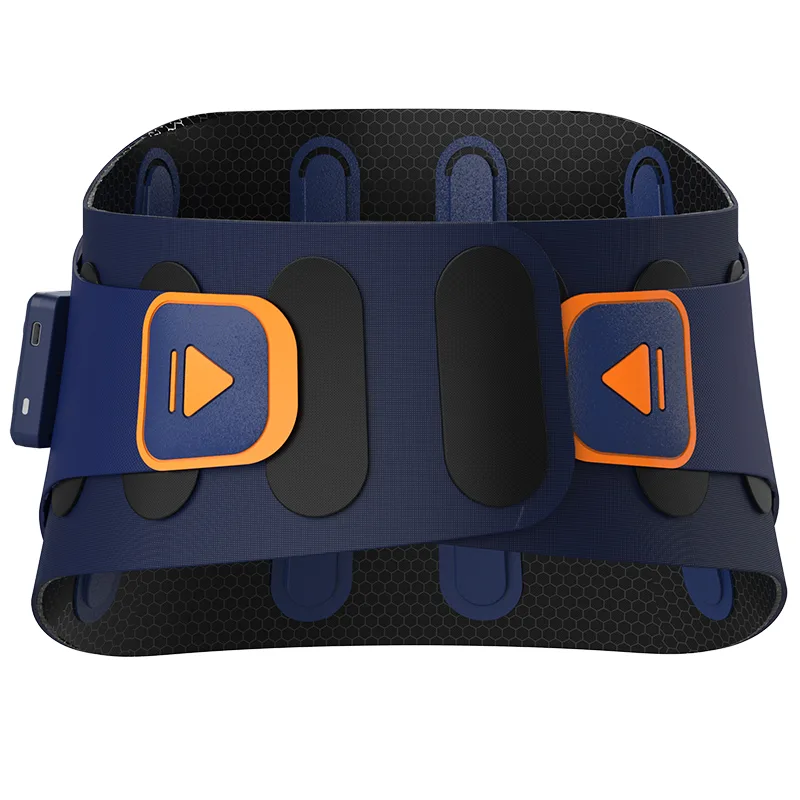

Mid-Range Model: Heat + EMS
Adding EMS stimulation improves product differentiation and user interaction experience.
Suitable for:
- Female wellness brands
- Fitness recovery channels
- Mid-range DTC stores
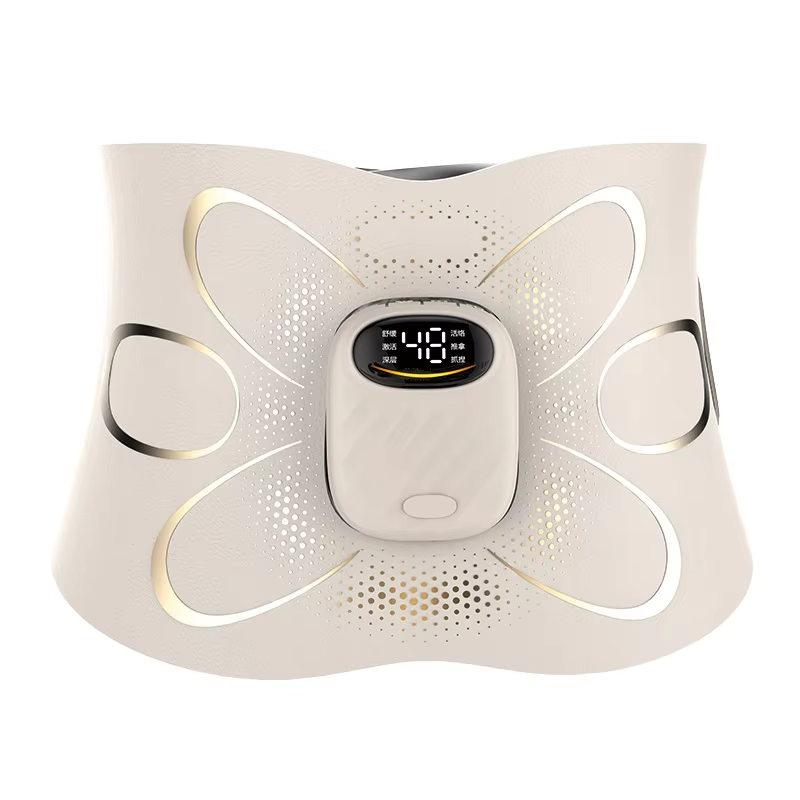
Premium Model: Heat + EMS + TENS
This combination provides a more comprehensive pain relief and comfort experience.
Suitable for:
- Boutique e-commerce brands
- High-end wellness retailers
- Independent Shopify stores
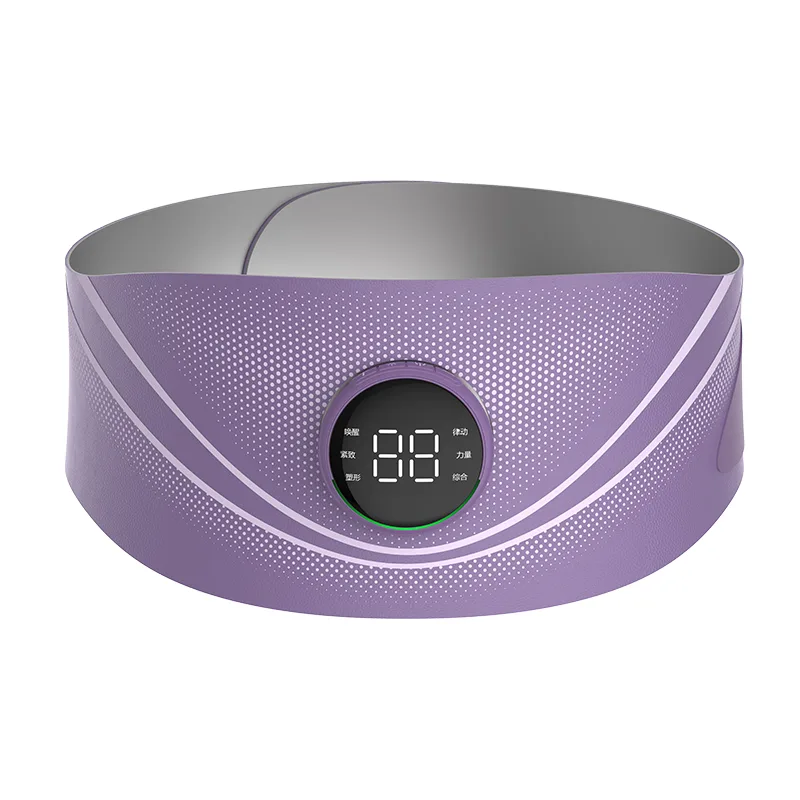
Flagship Model: Heat + EMS + TENS + Red Light
Full-featured models focus on premium positioning and social-media-driven marketing.
Suitable for:
- TikTok viral product strategies
- Premium FemTech brands
- High-margin DTC operations
Features Consumers Care About Most
Consumers are increasingly paying attention to real user experience instead of simply comparing product prices.
The most important purchasing factors include:
- Fast heating response
- Comfortable skin-friendly materials
- Lightweight wearable design
- Quiet vibration operation
- Stable battery life
- USB-C charging convenience
- Adjustable heat and stimulation levels
- Simple button operation
- Consistent heating performance
- Reliable Velcro or belt durability
Products with unstable heating systems, poor battery quality, or overly complicated controls often receive lower ratings and higher return rates on e-commerce platforms.
Common Product Problems and How Manufacturers Avoid Them
Reliable OEM manufacturers focus heavily on reducing after-sales problems during both product development and mass production.
Overheating Problems
Poor temperature control can create uneven heat distribution or overheating risks. High-quality products use intelligent PCB temperature management systems and automatic shut-off protection.
Battery Performance Issues
Low-quality batteries may lead to short usage time, charging instability, or safety concerns. Professional manufacturers usually use certified lithium battery systems with multiple protection mechanisms.
Weak EMS Conductivity
Poor conductive pad quality can reduce electrical stimulation effectiveness and negatively affect user experience. Stable electrode materials and optimized current settings improve consistency.
Structural Durability Problems
Weak Velcro straps, unstable stitching, or poor material quality can reduce product lifespan. Wearable products require strong repeated-use durability testing.
High Return Rates
Products with overly complicated operation logic often create confusion for users. Simplified interface design and intuitive controls help reduce customer complaints and return rates.
OEM & ODM Manufacturing Guide
For brands entering the FemTech or wearable wellness market, OEM and ODM manufacturing play an important role in product differentiation and long-term brand development.
A typical development process includes:
1. Product Positioning
Define target market, price range, functional configuration, and sales channels.
2. Industrial Design
Develop ergonomic structure, appearance design, color schemes, and wearable comfort optimization.
3. Electronic System Development
Complete PCB design, temperature control programming, battery integration, and functional logic setup.
4. Functional Module Integration
Integrate heating systems, EMS, TENS, vibration, and red light modules with compatibility testing.
5. Prototype Sampling
Produce rapid prototypes for market testing, product evaluation, and optimization.
6. Certification Preparation
Complete product testing and prepare certification documents for target markets.
7. Mass Production & Quality Control
Implement standardized manufacturing processes and batch inspection systems to maintain stable quality consistency.
What Buyers Should Evaluate in an OEM Supplier
Professional buyers usually evaluate suppliers based on long-term production stability instead of simply comparing prices.
Important evaluation factors include:
- Independent R&D capability
- Experience with wearable wellness electronics
- Product testing standards
- Certification support capability
- Stable battery supply chain
- Rapid sample development speed
- Production consistency
- After-sales issue response efficiency
- E-commerce packaging experience
- Quality control systems
Extremely low-cost suppliers may create hidden risks such as unstable product quality, missing certifications, delayed delivery schedules, or high after-sales return rates.
Certifications Required for Global Markets
Wearable period pain relief devices usually require multiple certifications before entering international retail markets.
CE Certification
Required for most European markets and covers electrical safety and EMC compliance.
FCC Certification
Required for electronic products entering the United States market.
RoHS Certification
Ensures restricted hazardous substances comply with environmental protection standards.
ISO9001 Quality Management System
Demonstrates standardized production and manufacturing management systems.
UN38.3 & MSDS
Important for lithium battery transportation and cross-border logistics compliance.
UKCA Certification
Required for certain UK market retail channels after Brexit.
Some brands may also prepare FDA registration documentation depending on product positioning and sales strategy.
Production Capacity and Manufacturing Strength
Professional wearable wellness device manufacturers usually maintain integrated production systems to improve delivery stability and product consistency.
Common large-scale manufacturing capabilities include:
- Standardized production workshops
- In-house electronic assembly
- Battery integration systems
- Dedicated quality inspection departments
- Rapid sampling capability
- Large-scale monthly production capacity
- Multi-functional R&D teams
- Full-process supply chain management
Integrated manufacturing systems help reduce production delays and improve long-term OEM cooperation stability.
Main Sales Channels for Wearable Menstrual Care Devices
Wearable menstrual pain relief products have broad channel compatibility across both online and offline retail markets.
Main sales channels include:
- Amazon FBA
- Shopify DTC stores
- TikTok Shop
- Female wellness boutiques
- Consumer electronics distributors
- Pharmacy retail chains
- Personal care wholesalers
- Lifestyle gift retailers
Because menstrual wellness demand remains stable throughout the year, these products are generally considered low-seasonality consumer goods.
FAQ About Wearable Period Pain Relief Devices
Do wearable period pain relief devices really work?
Many users find that heat therapy and electrical stimulation help improve comfort during menstrual cramps and abdominal tension. User experience may vary depending on personal sensitivity and product configuration.
Is EMS safe during menstruation?
Consumer-grade EMS systems in wearable wellness devices typically use low-frequency stimulation designed for comfort and relaxation purposes.
Can TENS help menstrual cramps?
Many users report that TENS stimulation helps reduce the perception of menstrual discomfort by interfering with pain signal transmission.
Are wearable menstrual heating belts medical devices?
Most products are marketed as consumer wellness or personal care devices rather than medical treatment equipment.
Can these devices be used while working or traveling?
Yes. Most wearable heating belts are designed for portable daily use and hands-free operation.
How long can a wearable heating belt be used?
Battery duration varies by model, heating level, and enabled functions. Many products support several hours of continuous operation per charge.
What materials are commonly used?
Most products use skin-friendly fabrics, soft elastic straps, ABS shells, and rechargeable lithium battery systems.
What functions are most popular in premium models?
Heat therapy, EMS, TENS, vibration massage, and red light therapy are among the most common premium configurations.
OEM & ODM Customization Solutions
For brands looking to develop exclusive wearable menstrual wellness product lines, OEM and ODM manufacturing allows flexible customization based on target market positioning.
Common customization options include:
- Private mold development
- Appearance color customization
- Logo printing
- Packaging design
- Functional mode adjustment
- Heating temperature customization
- EMS/TENS intensity configuration
- App connectivity development
- Retail packaging solutions
Customized wearable period pain relief devices are increasingly used by FemTech brands, cross-border e-commerce sellers, wellness startups, and personal care distributors seeking differentiated product positioning in competitive global markets.